
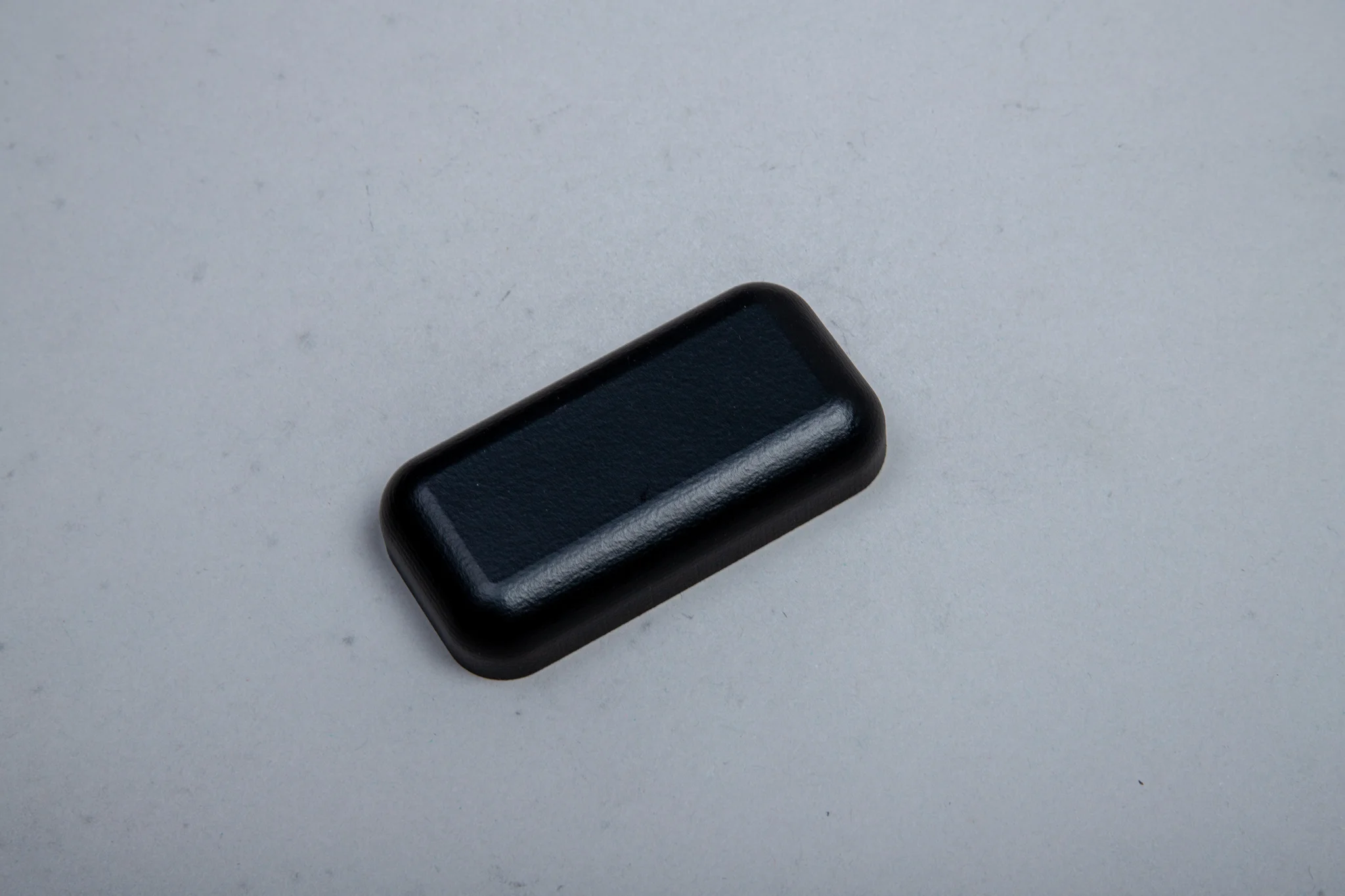
Injection molding has long been considered the best technology for producing plastic parts, and with good reason. The resulting parts are precise, durable, and have a flawless surface. The only problem, of course, is the price, specifically the cost of an injection mold, which can reach over $100,000.
The arrival of HP Multi Jet Fusion technology in 2016 meant that companies finally had a cost-effective alternative that allowed them to create components with similar durability and aesthetics, without such high upfront costs.
One of the more noticeable differences between MJF and injection molding was surface quality. However, the inclusion of PostPro3D chemical processing in the process makes this difference almost completely disappear.
What is the chemical treatment of parts printed at MJF?
PostPro3D chemical processing is a solution perfectly suited for parts manufactured from polyamides, TPU, TPE, and related materials. The process was perfected using parts printed on HP MJF devices using PA12 material.
AMT’s proprietary method is based on chemically smoothing parts’ surfaces without disrupting their structure or mechanical properties. This method is called BLAST (Boundary Layer Automated Smoothing Technology).
The printing process itself remains unchanged in HP Multi Jet Fusion devices. After printing, the elements are cleaned of excess powder and then sent to PostPro3D, where
The final result is perfectly smooth surfaces that are indistinguishable from parts created in injection molds.
For what applications does chemical treatment make the most sense?
PostPro3D has filled a significant gap in the potential applications of Multi Jet Fusion technology. The most demanding manufacturers can now use MJF to produce high-quality, low-volume products without the investment in an injection mold.
This not only provides broader possibilities for device implementation itself, but also provides greater freedom in early-stage product development in an iterative model.
Ideal applications for PostPro3D include:
- Electronics enclosures – where not only functionality counts, but also a modern look and professional surface finish.
- Functional prototypes – especially in the market introduction phase, when aesthetics influence the perception of product quality.
- Medical devices and wearables – where contact with the user requires a smooth, non-porous surface that is easy to keep clean.
- Decorative and design elements – e.g. accessories, gadgets, personalized details.
In our Cortivision case study, you can read about a project in which we used this type of finish.
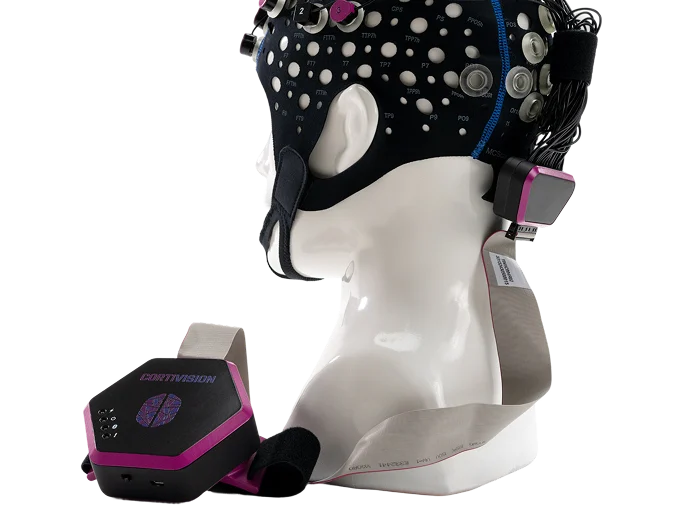
PostPro3D is therefore another important step in expanding the already wide range of applications of 3D printing.
What do chemically polished elements look like?
The BLAST process evenly smooths irregularities as thin as 0.3 mm. However, the key factor in smoothing effectiveness is wall thickness. The desired results can be achieved with walls no thinner than 1 mm.
Importantly, chemical treatment has virtually no effect on the dimensions of the part. The tests carried out showed a difference of less than 0,4% relative to the desired dimensions.
A similar issue applies to mechanical properties. Interestingly, tests of the same components before and after processing showed an improvement in Young’s modulus and an increase in the percentage elongation at break, which can be attributed to reduced porosity and surface defects.
Additional values and possibilities offered by the BLAST process include instant coloring to black or shades of grey, as well as increased absorption thanks to the closed surface.
Chemical processing of printed parts at Cubic Inch
Chemical treatment of printed parts is a method that gives the parts a perfect surface that is indistinguishable from that of injection molding technology.
If you require further information about chemical finishing or would like to place an order, contact us.